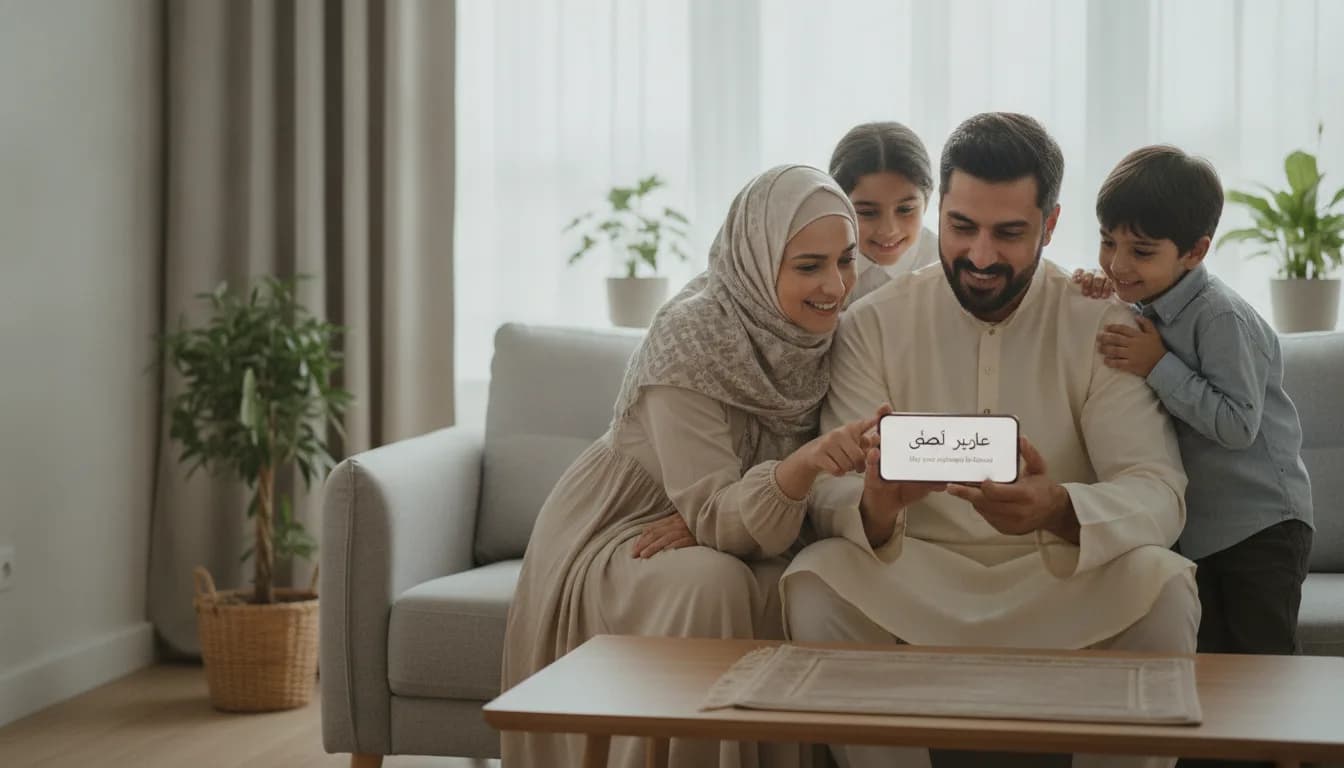
When do you say Umrah Mubarak to someone?
When do you say Umrah Mubarak to someone?
Saying “Umrah mubarak” is a warm way to share joy and prayers when someone starts or finishes this blessed pilgrimage. Whether you are traveling yourself or cheering on a loved one, it helps to know the moments when the greeting feels most natural and how to express it with care. Customs differ by family and region, yet most people appreciate the phrase at four key points.
Before they travel
Many families say “Umrah mubarak” as soon as a friend or relative confirms travel dates. News often spreads through a family chat, a phone call, or a note that the visa and tickets are ready. At this stage pair the greeting with a short prayer, for example, “May Allah open your path and accept your worship.” If the departure comes together quickly, as it often does with last minute plans, a prompt heartfelt message still carries the same warmth.
Some households wait until the traveler physically begins the journey. If that feels more comfortable, wish them well with words like “Safe travels, our duas are with you,” then keep “Umrah mubarak” for the day they leave.
During their journey
Once the traveler is on the road or has reached Makkah, a second “Umrah mubarak” can serve as gentle encouragement. If they post an update about arriving, checking in near the Haram, or visiting the Prophet’s Mosque in Madinah, a short message reminds them that their community is praying for them. Keep it simple: “Please remember us in your duas when you have time.”
If you want to avoid disturbing their rest, send a quick note through a travel app or family chat instead of calling. Time zone differences and the busy rhythm of tawaf and sai make patience a sign of respect for their focus on worship.
After completion of rites
Another natural moment comes when the pilgrim completes the rites. Many people share a brief update once they have finished and rested. A greeting combined with prayers of acceptance feels especially meaningful then: “Umrah mubarak, may Allah accept every step and every prayer.” If you wish to add more, consult a trusted guide so your words stay thoughtful and appropriate.
If you are unsure whether they have finished, wait for their cue rather than asking repeatedly. A single gentle check later in the day shows concern without pressure. Pilgrims may be moving between sites, looking after children, or seeking quiet time for personal supplication.
On arrival home
For many South Asian families another wave of “Umrah mubarak” happens when the traveler returns. You might greet them at the airport, on a video call, or at a small family gathering. Some households decorate the living room to mark the blessing of a safe return. If you host, simple decorations such as a welcome banner, dates, and tea create a warm setting without tiring the traveler. Keep the schedule light so they can rest.
If you bring a gift or card, focus on gratitude for their journey and a prayer that its benefits show in daily life. Many pilgrims appreciate hearing, “Please make dua for our family whenever it is easy for you,” more than requests for specific souvenirs.
How to phrase your message
Your wording matters less than sincerity. Some relatives keep it classic with “Umrah mubarak” and “Taqabbal Allah.” Others add a line that suits the person’s circumstances, for example, “May Allah make your first Umrah a source of mercy,” or “May your children grow up loving the Haram.” For fresh ideas you can adapt gentle wishes to fit your relationship and culture.
A few habits help your message land well:
• Use the traveler’s name when possible.
• Avoid lengthy advice unless they asked for it.
• Show respect in word choice when writing to elders.
• Keep a warm concise tone with peers.
• When sending voice notes keep them short so the pilgrim can listen during quiet moments.
Book Umrah Today was built to make planning smoother and the journey calmer so families can focus on duas, messages of support, and the joy of saying “Umrah mubarak” at the right time and in the right spirit.