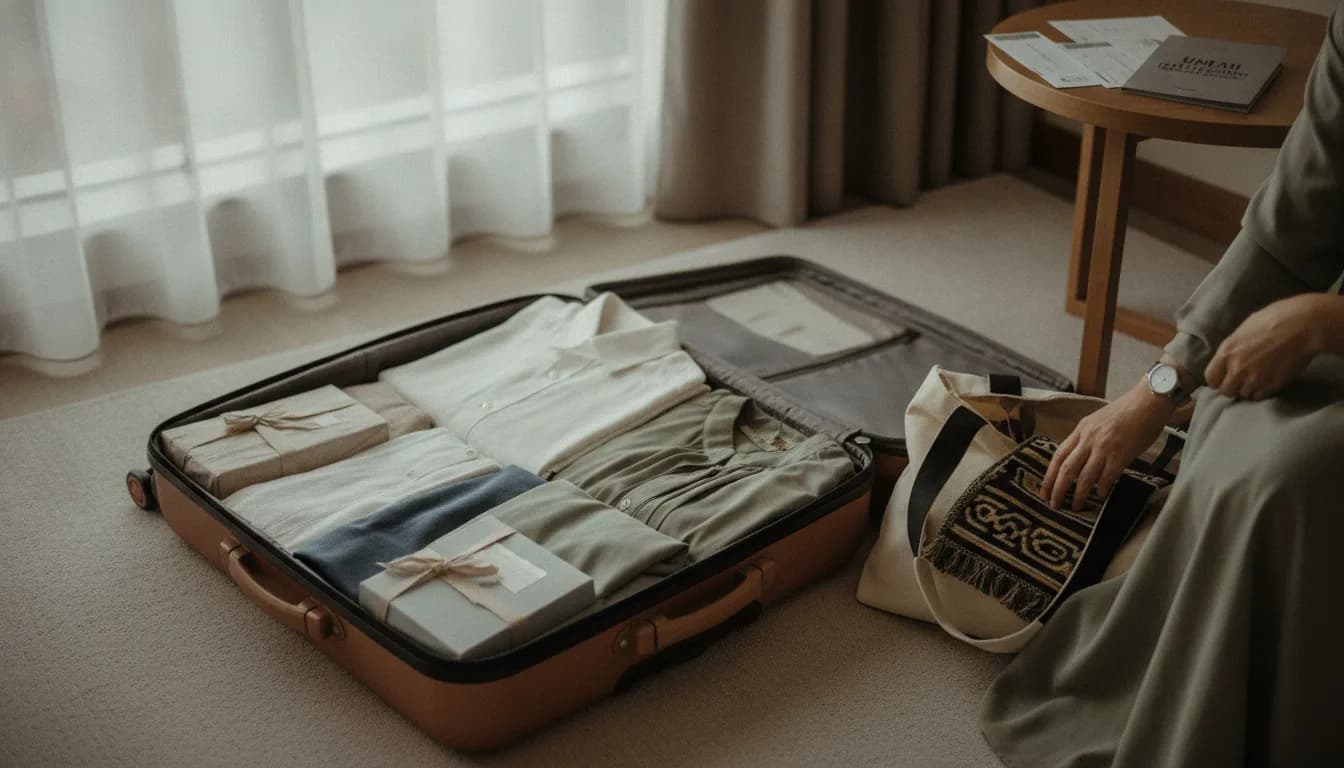
How does shopping in Makkah Saudi Arabia work for pilgrims?
How does shopping in Makkah Saudi Arabia work for pilgrims?
Shopping in Makkah, Saudi Arabia often becomes part of the pilgrimage. Many travellers plan to buy ihram cloth, small gifts for family, or daily necessities near Masjid al Haram. First timers are surprised that shop hours track the prayer schedule, prices vary from stall to stall, and the pace of the streets shifts between Salah, tawaf, and late‑evening family outings.
Where to shop and the best times
Most needs are met in the neighbourhood around the Haram, where modern malls sit beside traditional souqs. The large complexes provide air‑conditioning and international brands, while the side streets offer stores for prayer items, abayas, thobes, scarves, dates, and simple electronics. For key spots and typical prices, see our market guide. Gate‑by‑gate planners often use this concise Makkah map to match lists to nearby streets.
Shops near the mosque usually close a few minutes before each call to prayer and reopen soon after the prayer ends. Evenings turn lively once the heat eases, suiting families combining a stroll with errands. To compare items without crowds, mid‑morning on a non‑peak day is calmer than right after Salah.
What to buy and how to choose well
Many pilgrims buy unstitched ihram cloth on arrival to check weight and look for loose edges that may irritate during long rituals. Nearby stores sell simple sandals without stitching, small belt pouches, and fragrance‑free soaps. Prayer mats range from ultra‑light travel models to thicker designs; unfold one before paying to judge suitcase space. For digital counters or Qurans, ask the clerk to test batteries and bindings on the spot.
Dates remain the classic gift. Varieties differ in texture and price, from soft amber‑coloured styles to firmer fruit that travel better. Taste samples when offered and check the seal on the box. If you’re planning a welcome table, our short piece on Umrah‑themed decorations suggests centrepieces that pair with date boxes and prayer items while adding little weight.
If buying abayas or thobes, trying one size larger can allow easier movement during long mosque days. Tailors operate across the city, but completion times stretch when crowds grow. Designs vary from local cuts to visitor‑friendly styles, so check two or three shops before deciding.
Payments, etiquette, and simple safeguards
Bank cards work in most malls and a growing number of street shops, though the smallest kiosks still prefer cash. Keep a supply of small notes for water, snacks, or a quick taxi. In traditional markets a brief negotiation is expected; opening with a polite question about the best price sets a friendly tone. Larger branded stores post fixed prices.
Keep receipts together in a pouch; shops set their own rules for exchanges. For electronics or watches, ask the seller to note any warranty on the receipt. Staff welcome brief questions if asked before the next prayer time. A friendly “As salamu alaykum” followed by a clear request about queuing or returns resolves most doubts.
Budget and timing for different travel styles
Families and budget‑minded travellers often split shopping into two short sessions instead of one long outing. Spreading purchases reduces impulse buys and avoids heavy bags during busy hours. Pilgrims entering via Jeddah sometimes pick up essentials before the final leg to Makkah, especially late at night; this Jeddah route outline helps judge whether an airport stop or an early purchase in the Holy City suits your schedule.
Western visitors who combine Umrah with leisure stops often buy gifts partly in Makkah and finish on the last day. Comparing prices across two visits clarifies what’s fair without distracting from worship. Luggage limits vary by airline and fare type; many shopkeepers can estimate a large date box’s weight. General entry rules, local customs, and packing advice appear in our compact Saudi guide, which first‑time guests often read before finalising lists.
If you want to stay close to the Haram, choose a hotel within walking distance so short shopping breaks fit between prayers. Those who book farther out often combine errands with meals to limit extra trips. Check store hours with hotel reception on the first evening: prayer times, seasonal heat, and crowd patterns may alter opening times in ways online maps don’t show.
Book Umrah Today grew out of our planning hurdles as pilgrims. The platform brings flights, hotels, and transport together in one place with clear inclusions so you can arrange worship first and fit errands around it. When comparing packages and choosing your stay length, allow a calm day to settle in, buy your ihram or gifts, and then devote attention to tawaf and sa’i without watching the clock.