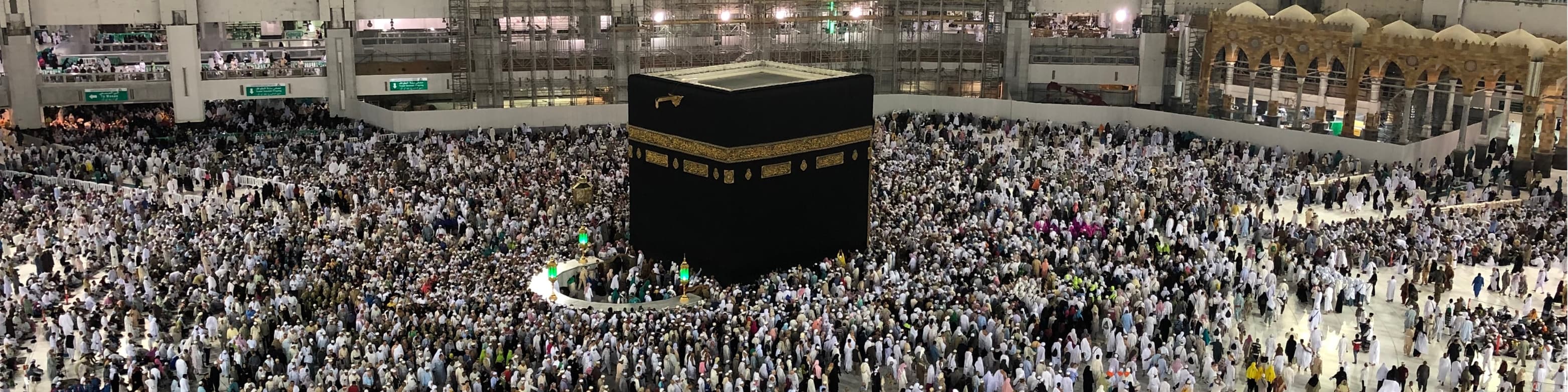
Umrah checklist for first-time pilgrims: what to pack, what to know
Your first Umrah brings a particular kind of nervous energy, the sort where you want to get everything right but aren't entirely sure what "everything" includes. Rather than another generic packing list, this is what actually matters for first timers: the documents that can derail your trip if you get them wrong, the health steps people forget until it's too late, and the small comfort items that make several days of walking and prayer far more manageable.
Start with what can stop your trip before it begins
Before you think about clothing or toiletries, get your paperwork locked down. You'll need a passport valid for at least six months beyond your travel dates, your approved eVisa or Nusuk registration confirmation, a copy of your accommodation booking, and, if you're connecting through another country, any transit documentation that leg requires. Print physical copies of everything and keep digital copies saved somewhere you can access without wifi, in case your phone dies or you can't get online at the airport.
Understanding Ihram before you pack for it
For men, Ihram is two pieces of unstitched white cloth, one wrapped around the waist and one draped over the shoulders. For women, Ihram is simply modest, loose fitting clothing in any colour, though many choose white or plain fabrics out of habit rather than requirement. Pack at least two sets if you can, since you'll want a spare while one is being washed, and bring a small bag or pouch to carry your Ihram belt and any valuables, since the garment has no pockets. It's worth practising how to wear and secure it before you leave home, particularly for men who haven't worn it before, so it isn't a source of stress on the day.
What your body will actually need
You'll be on your feet for hours at a stretch between Tawaf, Sa'i between Safa and Marwah, and simply getting around the Haram. Comfortable, well worn in shoes matter more than almost anything else on this list, along with a pair of sandals or slides for quick trips in and out. Bring blister patches, a small towel, and lightweight, breathable layers, since Makkah stays warm for most of the year and the mosque itself can be heavily air conditioned. A refillable water bottle is genuinely useful given how much Zamzam water is available throughout the complex.
Health basics first timers tend to underestimate
Vaccination is the one first timers most often leave until the last minute. Saudi authorities require pilgrims aged one and above to show proof of MenACWY meningococcal vaccination, and the CDC's Yellow Book notes that mass gatherings like Umrah carry a genuine risk of meningococcal outbreaks, alongside common issues like heat exhaustion and travellers' diarrhoea. Book your vaccine appointment several weeks out, since the certificate needs to be issued at least ten days before you arrive, and pack a basic first aid kit with rehydration salts, pain relief and any regular medication you take, in its original packaging with a prescription copy if needed.
Money and everyday items worth packing
Carry a mix of Saudi Riyals and a card that works reliably overseas, since some smaller vendors and taxis still prefer cash. A modest cross body bag or waist pouch keeps your phone, cash and room key together without needing pockets, which matters more than you'd expect once you're wearing Ihram. Pack a few zip lock bags too, useful for anything from wet shoes to keeping your passport dry if it rains.
Getting around Makkah and Madinah
If your itinerary includes both holy cities, the Haramain High Speed Railway is worth knowing about before you arrive rather than figuring out on the day. According to the Saudi Press Agency, the train connects Makkah and Madinah via Jeddah at speeds up to 300 kilometres an hour, cutting what would otherwise be a long road trip down to roughly two hours. Knowing this exists, and that tickets are booked separately from your Umrah package in most cases, saves a lot of confusion once you're there.
The part that isn't on any packing list
The most useful thing you can bring on your first Umrah is a willingness to be patient. Crowds, queues and unfamiliar routines are part of the experience, not a sign that something has gone wrong. Pilgrims who go in expecting some discomfort tend to come away with a far calmer memory of the trip than those who expected everything to run like clockwork. Our FAQs page covers a lot of the practical "what if" questions first timers ask, and our guide goes deeper into what each ritual actually involves.
If you want a second pair of eyes on your list
We've helped enough first time pilgrims to know where people usually trip up, and we're happy to run through your specific trip with you. If you find a comparable package cheaper elsewhere, we'll beat that price by 50 US dollars. Message us on WhatsApp and we'll help you get organised properly.